




Discovery Parks - Bargara
Bargara · Bundaberg Regional
★ 4.3
Bargara is the beach side of Bundaberg — patrolled town beach, a basalt-headland rock pool, and Mon Repos Conservation Park next door (the largest sea-turtle rookery on Australia's eastern mainland, with ranger-guided night tours Nov-Mar).
Bargara is the beach side of Bundaberg — a small coastal village 13 km east of the rum-and-sugar capital, with a working harbour, a long curve of patrolled beach, and one of the most important sea turtle rookeries anywhere on Australia's eastern seaboard. It is the destination Queensland families have been returning to for two and three generations, often without ever mentioning it to interstate visitors. Our team thinks that is about to change.
Our writer Hannah grew up driving through here as a kid and came back last summer to map it for us. The thing that surprised her on returning was how much had quietly improved — the foreshore upgrade, the new seawall promenade, the small but proper craft brewery on the way back to Bundaberg — without changing the fundamental shape of the place. Bargara still feels like a country beach town that happens to sit ten minutes from the largest turtle-nesting beach on the mainland. We mean that as a compliment.
Mon Repos Conservation Park is the reason most travellers from outside Queensland eventually find Bargara. The 1.5 km stretch of beach here is the largest concentration of nesting loggerhead sea turtles in the South Pacific and the most important loggerhead rookery on the eastern Australian mainland. Between November and March, the loggerheads — plus smaller numbers of green, flatback and the very occasional leatherback — haul themselves up the beach at night to lay eggs in the dunes. From mid-January through to March, the same beach erupts with hatchlings scrambling for the surf line.
The whole site is managed by Queensland Parks and Wildlife Service, and the only way you see a nesting turtle is by joining a small ranger-guided night tour from the on-site Mon Repos Turtle Centre. Tours run nightly through the season and book out months ahead — do not turn up hoping to walk on. Each group is taken to the beach in turn, sometimes after an hour or two of waiting in the visitor centre, and shown either a nesting female or a hatchling emergence depending on what is happening that evening. There is no flash photography, no torches, no noise; everyone gets two metres back from the turtle and watches a process that has not changed in 100 million years. Our writer Hannah called it "the closest you will come to seeing a dinosaur do dinosaur things". She is not wrong.
If you cannot get a tour spot in the nesting season, the Turtle Centre itself is excellent year-round — small museum, daytime ranger talks, a clear explanation of the conservation work and the long-running marine debris and entanglement research that comes out of here.
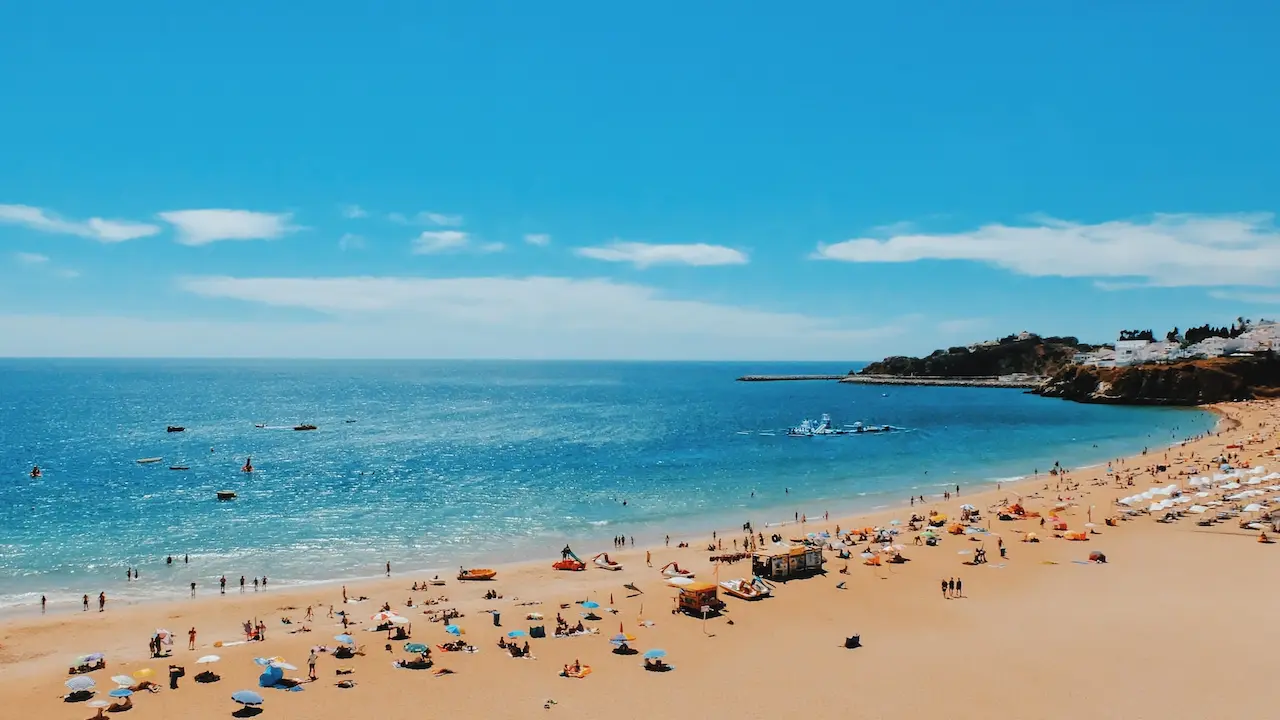
Bargara town beach sits in front of the modest village centre — it is patrolled by Surf Life Saving Queensland in the warmer months, the sand is dark gold and shaded in patches by Norfolk pines, and the swimming is gentle (no significant surf, sheltered headlands on either side). There is a free saltwater rock pool carved into the basalt at the northern end of the beach — tide-fed, knee-deep at low water, perfect for small kids. It is the unofficial centre of family Bargara and has been for decades.
The town itself is one street of restaurants, a small shopping centre, a couple of pubs and the old Bargara Surf Life Saving Club, which serves lunch and dinner to non-members. Nothing in the town is unusual or fancy. That is the point. Most visitors stay in the apartment blocks along the foreshore (priced about a third less than Sunshine Coast equivalents for similar quality) and walk to dinner.
The other thing worth knowing about Bargara: the basalt headlands here are the remnants of ancient lava flows, and at low tide a long shelf of dark rock opens up between the beaches. The rock pools that form on it are full of small marine life — sea slugs, hermit crabs, tiny reef fish, the occasional octopus — and it is one of the better easy rock-pooling spots on the Queensland coast. Bring reef shoes; the basalt is sharp.
Two short attractions worth your time on a half-day. The Hummock, between Bundaberg and Bargara, is the remains of a 700,000-year-old extinct volcano — it now reaches just 96 metres above the cane fields but it is the highest natural point for many kilometres in any direction, and the lookout at the summit gives you a clean 360-degree view across the canefields, the harbour, and out to the reef. There is parking at the top, a short walking track, and a couple of picnic tables. It is free and takes maybe 20 minutes.
The Burnett Heads Lighthouse, often called the Bargara Lighthouse though it is technically at Burnett Heads a few kilometres north, is the original 1873 cast-iron tower that was moved to its current site in 1972. It is small, photogenic, and surrounded by a maritime museum that opens on weekends. The cliff walk south from the lighthouse back toward Bargara, along the basalt headlands, is one of the more underrated coast walks in Queensland.
The Southern Great Barrier Reef begins about 60 km offshore from Bargara, and the two most accessible islands on it — Lady Musgrave and Lady Elliot — are easy day trips from nearby Bundaberg Port. Lady Musgrave is the closer of the two; the high-speed catamaran does the run in about two hours each way and gives you four to five hours on the island. It is a coral cay with a protected lagoon for snorkelling, daytime turtle sightings, and (in season) manta rays. Lady Elliot is further south and requires a small-plane charter rather than a boat — arguably the better destination overall, but a bigger commitment. Both compare very favourably with the more famous Cairns day-trip pontoons in terms of water clarity and crowding, and most of our team rates them higher.
If a day trip is not enough Reef and you want to stay overnight on a coral cay, our Great Barrier Reef guide covers the choices end to end. The most rewarding overnight cay south of the Whitsundays is Heron Island, which is launched from Gladstone rather than Bundaberg.
Bargara town beach itself is gentle. For surf, the locals drive 20 minutes south to Innes Park and Elliott Heads, both small estuary-mouth villages with clean reef breaks and not many other people in the water. Innes Park is also a good calm-water option for kids on bigger swell days — the headland shelters the southern corner. Elliott Heads has a free council-run caravan park right on the river mouth that is one of the best-value family camping spots in Queensland and books out a year ahead for school holidays.
Up the coast, Moore Park Beach is the long uninterrupted sandy beach where you go to drive on the sand (with a permit) or fish off the gutters. It is 30 minutes north of Bargara, and on a quiet Tuesday in winter you can have several kilometres of it to yourself.
Bargara is roughly halfway between Brisbane (4.5 hours south) and the Whitsundays (5.5 hours north), and it is the natural overnight base for travellers driving north along the Bruce Highway who want to break the trip with a day on a beach and a turtle tour. Our recommended Bargara stretch in a longer Queensland itinerary is two nights — one full day for Mon Repos in the evening, one for the Hummock + lighthouse + a Bundaberg distillery tour or the Bundaberg Botanic Gardens.
If you have three nights, add a Lady Musgrave day trip. If you are coming for the turtles specifically, time your visit between mid-January and early March for the highest chance of seeing both nesting females and hatchlings on the same tour. For a longer Queensland trip planning, our Bundaberg guide covers the city itself, our Hervey Bay guide covers the next stop south (and the gateway to whale-watching in winter), and our Fraser Island / K'gari guide covers the World Heritage sand island that you can comfortably reach in a half-day from Hervey Bay.
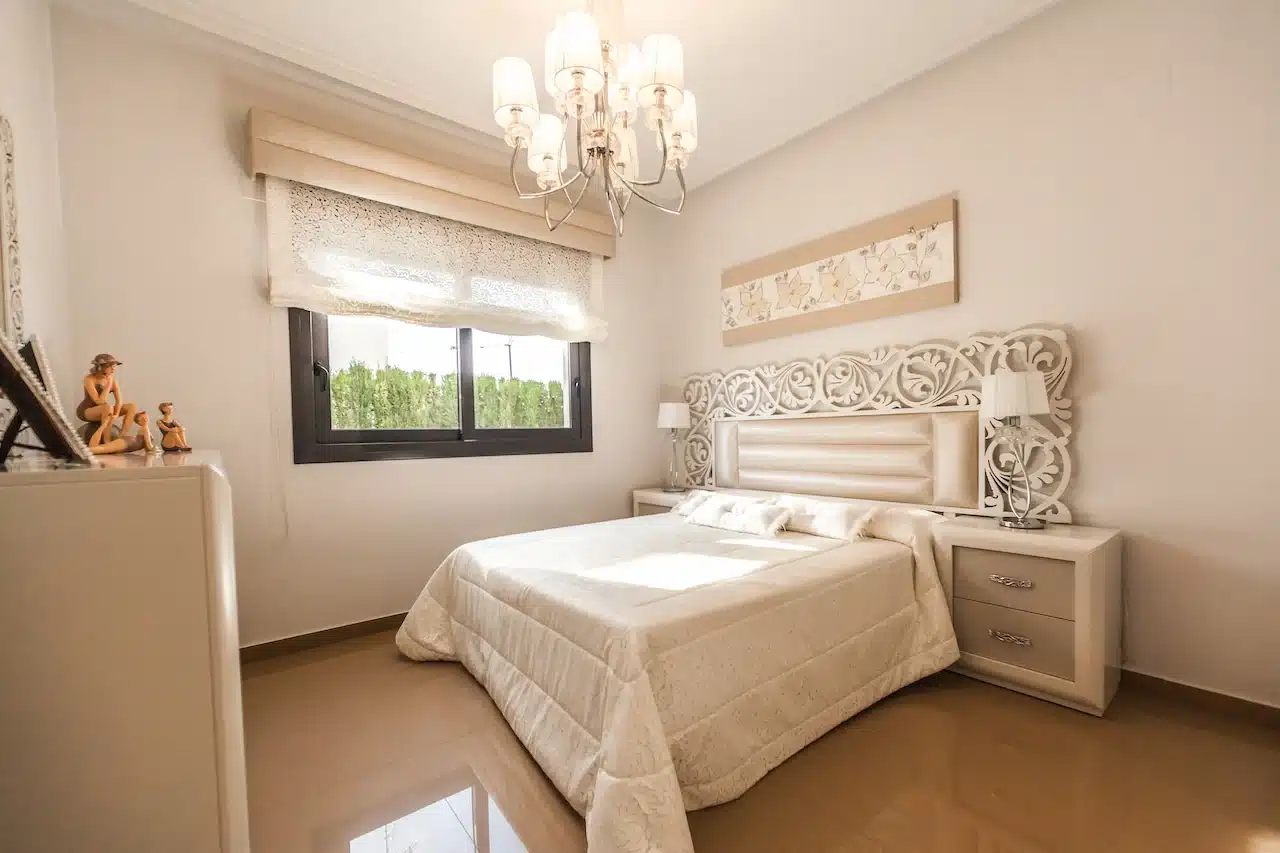
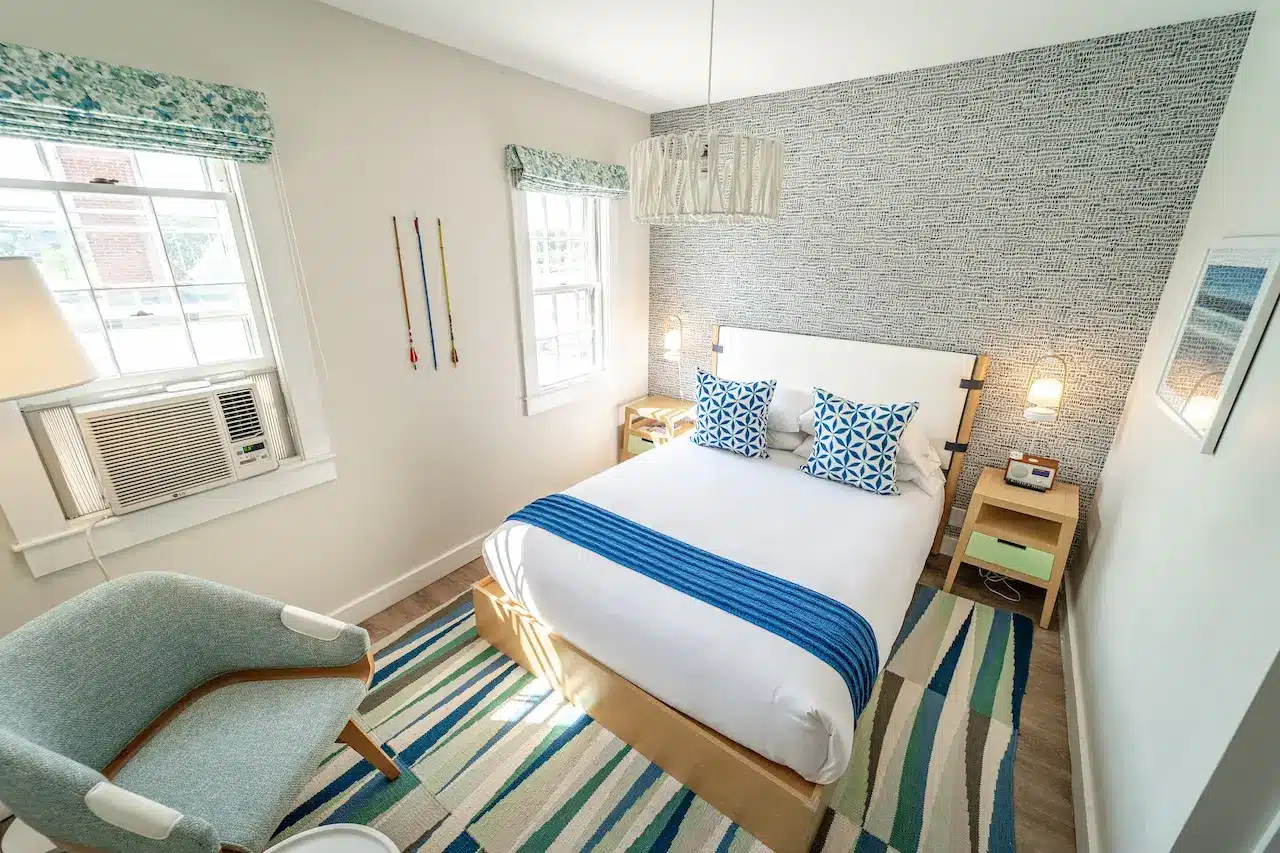
Bargara accommodation is mostly self-contained apartment blocks along the foreshore, with a couple of older motels in the village and several caravan parks at the back of town. The Kelly's Beach Resort, Bargara Beach Caravan Park (council-run, right on the rocks), and Coral Cove Resort cover most needs. There is essentially no five-star here — if you want resort-style luxury you would drive back to the Sunshine Coast or up to the Whitsundays. What Bargara has is honest mid-range stays at honest mid-range prices, often with sea views.
What to pack: reef shoes (the basalt cuts), a wide-brimmed hat (the UV here is among the highest in the country in summer), reef-safe sunscreen, a long-sleeve rash vest if you are doing a Lady Musgrave day trip, mosquito repellent for evenings near the river mouths, and one nicer outfit if you have a turtle tour booked — the rangers do not care, but you will be standing on a beach in the dark for an hour and want long sleeves. Bring binoculars for the Hummock lookout and the lighthouse cliff walk.
The two best official sources for trip planning here are the Queensland Parks and Wildlife Service Mon Repos page (current turtle-tour booking, conservation updates, seasonal hatchling reports) and the Bundaberg Regional Council page (foreshore facilities, beach water-quality reports, event calendars, current life-guard patrol times). Tour bookings for Mon Repos are made through the Queensland Government booking site and open seasonally — check months ahead.
Bargara has done the rare thing of being a beach town that is genuinely good for kids, for couples, for empty-nest retirees, and for visiting wildlife enthusiasts, all on the same one-street strip. The combination of a patrolled beach, a saltwater rock pool, a basalt headland, a Reef trip from the next harbour over, and the single most reliable sea-turtle nesting experience in eastern Australia is not something we can name another Queensland town for. Add the fact that you can get here in a half-day from Brisbane and that the prices are still half the Sunshine Coast, and Bargara is one of our easier recommendations for a low-key family week or a wildlife-driven long weekend. We will be back.
Live forecast from Open-Meteo. Updated each time the page loads.
Based on 30 years of weather data. Sweet spot: Jul, Aug, Sep — mild temperatures, low rainfall and plenty of sun. Avoid Feb, Mar if you can — typically the wettest or hottest stretch of the year.
Typical wave height around 0.9 m over the next two weeks. a wetsuit makes winter swims much more pleasant.
Browse every guide, listing and how-to for Bargara.


